
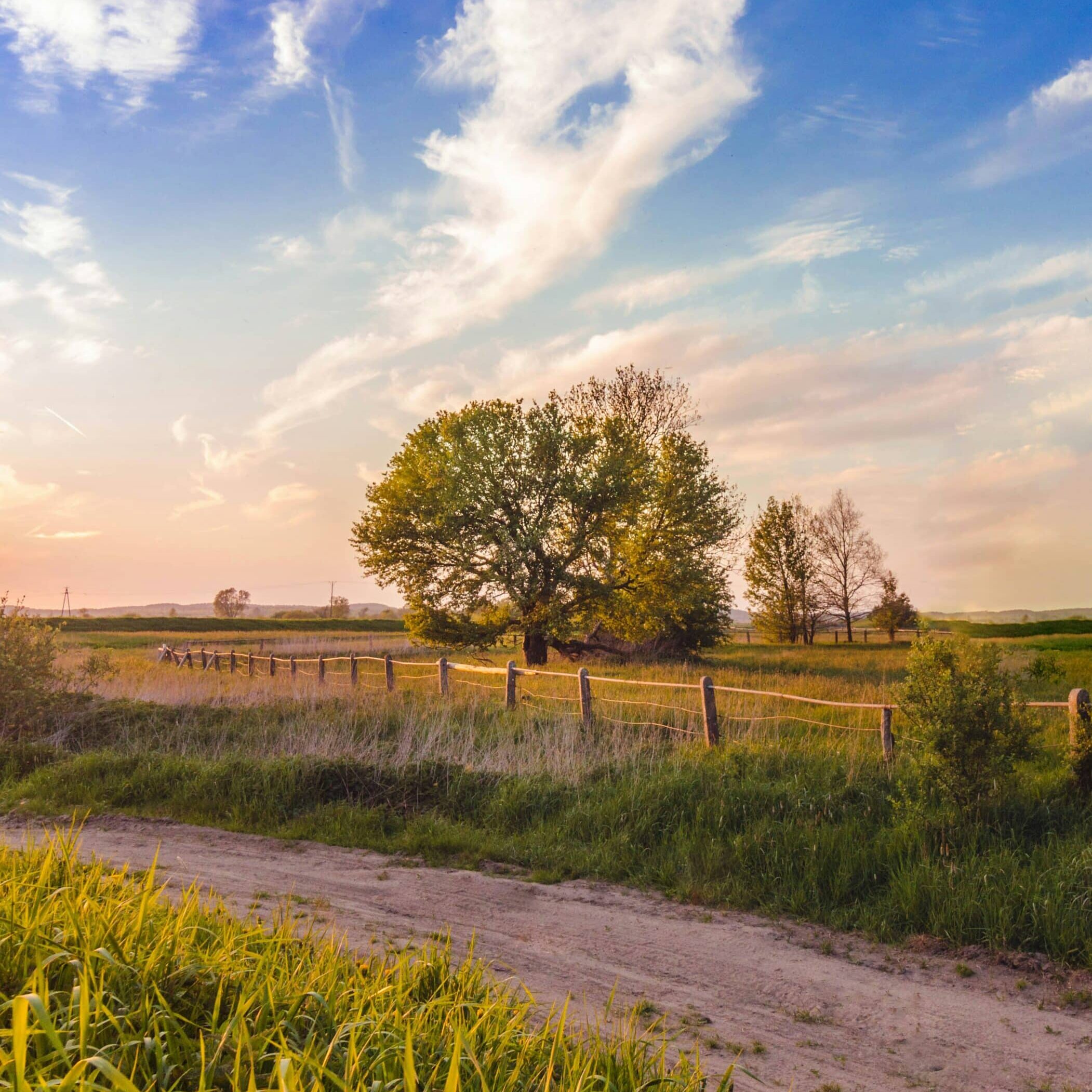
The process of buying a rural property or farm differs from buying a residential house in town.
Pre-contract inspections
A prudent purchaser should carry out standard pre-contract inspections on the home and buildings on rural land. These inspections include a timber pest inspection and a building inspection. They identify defects beyond normal “wear and tear”.
If reports identify concerns, the buyer should engage licensed tradespeople where required.
As with “town land”, the buyer must beware. A buyer risks financial loss if they do not complete proper investigations before they enter a contract.
Key legal and planning considerations
A major consideration when buying rural property is whether the intended use fits council and state government approvals.
A buyer may suffer financial loss if they purchase land for a use that the area does not permit.
- For example, aquaculture may not be permitted in certain areas
- Some land may contain chemical residue that affects organic farming plans
Buyers reduce risk when they commission searches and enquiries before they enter a Contract for Sale. These checks help identify hidden issues.
Chemical residues, livestock, plant diseases, and noxious weeds
If you intend to grow crops or raise livestock, chemical residue in soil can destroy your business.
Farmers once widely used organochlorines such as DDT. These chemicals can remain in soil for decades. They can also attach to plants and animals.
Some diseases remain on land long after livestock are removed. This can occur even after long de-stocking periods.
Protection zones may prohibit certain farming activities. In some cases, they may prevent certain types of animals or stock.
A Department of Agriculture, Fisheries & Forestry (DAFF) search can provide relevant information.
| Risk type | What it means |
|---|---|
| Chemical residue | Remains in soil for decades and damages crops or livestock |
| Livestock disease | Persists after animals leave the land |
| Crop pests | Affects production (e.g. fruit fly, nematodes) |
| Noxious weeds and animals | May attract government notices or control orders |
Specific crops face risks from pests such as fruit fly and nematodes.
If you plan to crop land, you should engage a qualified horticulturalist. Local councils may also provide assistance through officers.
You may also complete a soil test. This confirms whether chemical residue exists in the soil.
Noxious weeds and pests also affect rural land. Buyers should complete searches and enquiries to identify any notices or orders affecting the property.
Survey
A survey shows the boundaries and dimensions of rural property. This is especially important when you buy rural land.
Fencing does not always match legal boundaries. A fence line can create a false impression of the property.
A survey may also confirm the location of water sources.
If a water source sits outside the property boundary, the survey will reveal this. Buyers can then negotiate with this knowledge.
If the water source is the only supply, failure to obtain a survey can create serious consequences.
Land use
Local councils and state agencies regulate rural land use. These include the EPA (Environmental Protection Authority).
These rules control development, agriculture, irrigation, and land clearing.
- Development rules restrict building activity
- Agricultural use may face limits
- Irrigation requires approval
- Land clearing must meet regulations
Buyers must check these rules before purchase. This is especially important if they intend to use the land for a specific purpose.
Farm infrastructure such as roads and bridges requires investigation. Environmental rules must also be checked before development begins.
Access
A buyer must confirm legal access before they purchase rural property.
Some access routes look available but rely on easements or stock routes.
These routes can change. They may prevent access to the land in the future.
This issue often arises near Crown Land. Some “enclosed roads” appear public but belong to the government. Authorities can close them at any time. This may block access to the property.
Easements
Buyers should review the land plan for proposed or intended easements or rights of way.
Some easements do not physically exist at inspection time. However, approved plans may still show them.
These future easements can affect farming operations.
Water entitlements
Rural land loses value without water access.
Buyers should check water resources under local and state law.
- Irrigation licences require approval
- River water access needs registration
- Water bores require licensing
- Dams may require compliance checks
All water entitlements should appear in the contract for sale.
Native title
A search can confirm whether a native title claim exists over the property.
It can also show how the claim may affect farming activities.
Taxation issues
Buyers who intend to run a business on rural land should speak with an accountant experienced in rural taxation.
An accountant can explain GST, CGT, and other tax implications linked to the purchase and business structure.
Conclusion
Every rural property differs. Buyers should seek advice before they enter a contract.
Experienced rural conveyancing lawyers can identify risks and help protect financial investment.
If you or someone you know wants more information or needs help or advice, please contact us on 07 5576 9999 or email [email protected].
